The Rise of Digital Twins
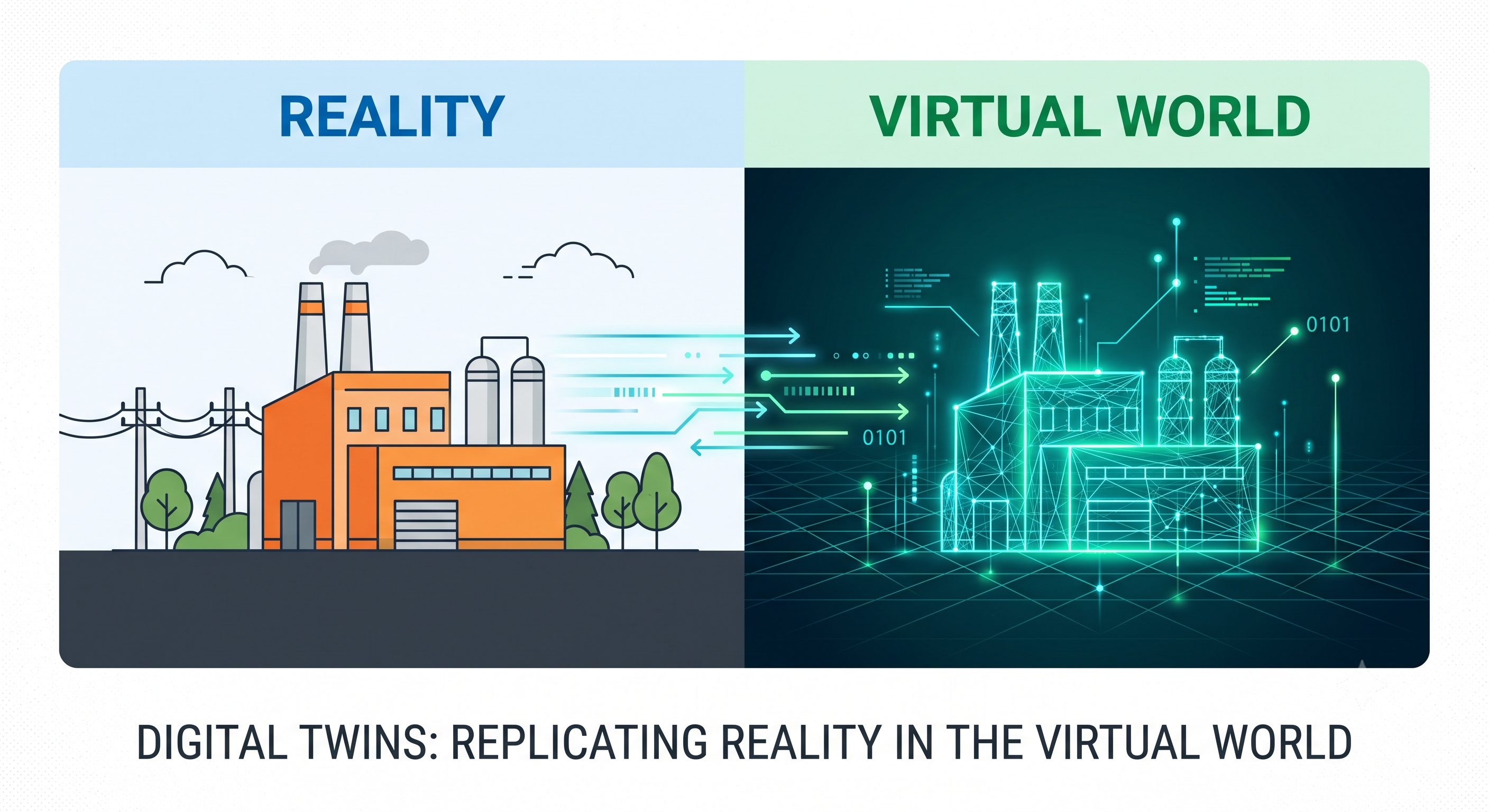
Imagine having a perfect, live virtual replica of a physical asset — a machine, a building, or even an entire city. This replica, known as a Digital Twin, isn't just a static 3D model; it's a dynamic, data-driven simulation that mirrors its real-world counterpart in real-time. Digital twins are revolutionizing industries by providing unprecedented insights, enabling proactive decision-making, and fostering innovation across various sectors.
What Exactly is a Digital Twin?
At its core, a digital twin is a virtual model designed to precisely reflect a physical object, process, or system. It's built on a continuous flow of data from sensors attached to the physical asset. This data feeds into the digital model, updating its state, behavior, and performance characteristics in real-time. Think of it as a living blueprint that evolves alongside its physical twin.
Key components of a digital twin include:
- Physical Asset: The real-world object or system being twinned (e.g., an airplane engine, a factory floor, a smart building).
- Sensors: Devices that collect data from the physical asset (temperature, pressure, vibration, location, etc.).
- Data Integration & Processing: Systems that collect, clean, and integrate sensor data, often leveraging IoT platforms.
- Digital Model: The virtual representation, often a complex simulation or 3D model, that is updated by the incoming data.
- Analytics & AI: Algorithms that process the data within the digital model to generate insights, predict failures, and optimize operations.
How Do Digital Twins Work?
The magic of digital twins lies in their continuous synchronization. Here's a simplified breakdown:
- Data Collection: Sensors on the physical asset continuously gather operational data, environmental conditions, and performance metrics.
- Data Transmission: This data is securely transmitted to a cloud-based platform or local server.
- Model Update: The incoming data is used to update the corresponding digital model, ensuring it accurately reflects the current state of its physical twin.
- Analysis & Simulation: Engineers and AI algorithms analyze the digital model. They can run simulations to test different scenarios, predict potential issues (like equipment failure), or optimize performance parameters without affecting the actual physical asset.
- Actionable Insights: The insights gained from the digital twin are then used to inform decisions, improve maintenance schedules, design better products, or enhance operational efficiency in the real world.
Applications Across Industries
Digital twins are incredibly versatile, finding applications in diverse fields:
- Manufacturing: Monitoring production lines, predicting equipment maintenance needs, optimizing factory layouts, and designing new products with virtual prototypes.
- Healthcare: Creating virtual models of organs for surgical planning, personalized treatment simulations, and tracking patient health in real-time.
- Smart Cities: Building digital replicas of urban environments to manage traffic flow, optimize energy consumption, and plan infrastructure development.
- Aerospace: Monitoring aircraft health, predicting component wear, and optimizing flight paths for fuel efficiency.
- Energy: Managing power grids, optimizing renewable energy production, and ensuring the longevity of critical infrastructure.
Benefits of Adopting Digital Twin Technology
The advantages of digital twins are substantial, offering:
- Enhanced Efficiency: Optimize operations, reduce downtime, and improve resource utilization.
- Predictive Maintenance: Anticipate equipment failures before they occur, reducing costly repairs and extending asset lifespan.
- Risk Mitigation: Test changes and scenarios in a virtual environment without risking physical assets or human safety.
- Improved Product Design: Rapidly prototype and iterate on designs, leading to faster innovation and better products.
- Cost Reduction: Minimize operational expenses, energy consumption, and material waste.
Key Takeaways
Digital twins represent a significant leap in how we interact with and understand the physical world. By creating dynamic, data-rich virtual replicas, they empower businesses and organizations to achieve greater efficiency, make smarter decisions, and unlock new possibilities for innovation. As sensor technology and AI continue to advance, the capabilities and adoption of digital twins will only continue to grow, making them an indispensable tool in the era of Industry 4.0.
Be the first to leave a comment.
Leave a comment