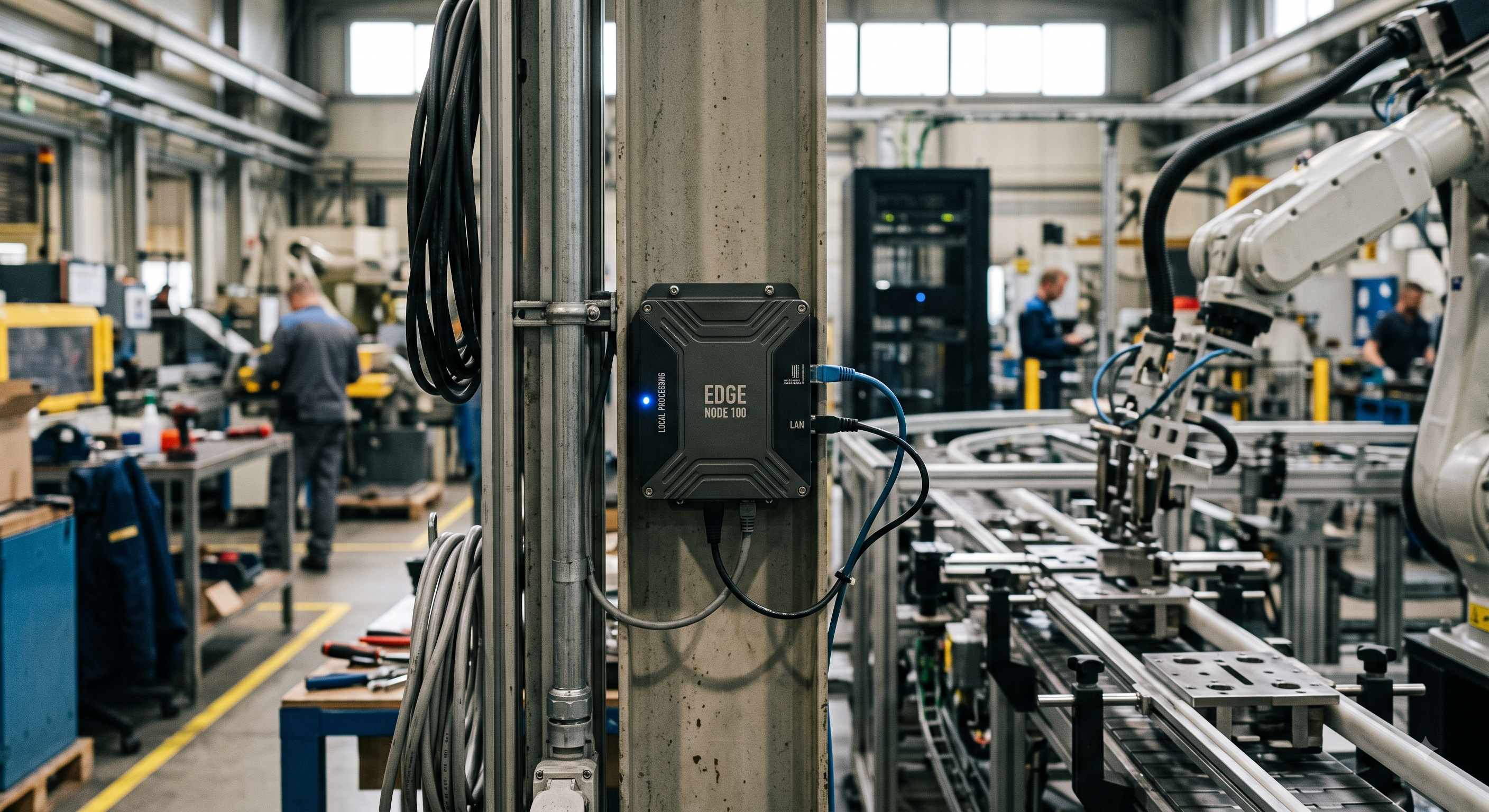
Edge Computing: Bringing Intelligence Closer to the Source
In our increasingly connected world, data is constantly being generated at an astonishing rate—from smartphones and smart home devices to industrial sensors and autonomous vehicles. Traditionally, this vast amount of data was sent to centralized cloud data centers for processing and analysis. While the cloud offers immense power and scalability, this model has its limitations, especially as the demand for real-time insights and low-latency applications grows. Enter Edge Computing, a paradigm shift that aims to bring computation and data storage closer to the source of data generation.
What is Edge Computing?
At its core, edge computing is a distributed computing framework that moves enterprise applications closer to data sources such as IoT devices or local edge servers. This proximity to the data source can deliver powerful business benefits, including faster insights, improved response times, and better bandwidth management.
Cloud vs. Edge: A Shift in Paradigm
To understand edge computing, it's helpful to compare it with the traditional cloud computing model:
- Cloud Computing: Data is collected from various devices and sent to a central cloud data center. Processing, analysis, and storage all happen remotely. This is great for large-scale processing, data warehousing, and non-real-time applications.
- Edge Computing: Data is processed and analyzed locally, right at the "edge" of the network—often on the device itself or on a small, local server near the data source. Only aggregated or crucial data is then sent to the cloud, if necessary.
Think of it like this: if cloud computing is a massive central library where all books are stored, edge computing is like having a smaller, specialized bookshelf right where you work, allowing quicker access to the most relevant information without a trip to the main library every time.
How Edge Computing Works
Edge computing architectures vary, but generally involve three main components:
- Edge Devices: These are the "things" that generate data, like sensors, cameras, robots, or even smartphones. They might have limited processing capabilities.
- Edge Nodes/Servers: These are localized computing resources (mini data centers or powerful gateways) strategically placed closer to the edge devices. They perform initial data processing, filtering, and analysis.
- Cloud/Central Data Center: The traditional cloud still plays a role for long-term storage, complex analytics, AI model training, and applications that don't require immediate real-time responses.
The magic happens when data is processed at the edge, reducing the need to constantly transmit raw data over long distances to a central cloud, thus saving bandwidth and reducing latency.
Key Benefits of Edge Computing
- Reduced Latency: Processing data closer to the source means faster response times, critical for applications like autonomous vehicles or real-time industrial control.
- Lower Bandwidth Usage: Less raw data needs to be sent to the cloud, reducing network congestion and data transfer costs.
- Enhanced Security: Processing sensitive data locally can reduce its exposure during transmission, and distributed architecture can limit the impact of a single point of failure.
- Improved Reliability: Edge devices and nodes can often operate autonomously even if connectivity to the central cloud is temporarily lost.
- Real-time Insights: Immediate processing enables quicker decision-making, crucial for dynamic environments.
Real-world Applications
Edge computing is already transforming various industries:
- Manufacturing: Predictive maintenance on factory floors by analyzing sensor data locally to detect equipment failures before they happen.
- Healthcare: Remote patient monitoring devices processing vital signs at the edge, alerting medical staff only when anomalies are detected.
- Autonomous Vehicles: Cars processing vast amounts of sensor data (LIDAR, cameras) in real-time to make immediate driving decisions without relying on constant cloud connectivity.
- Smart Cities: Traffic management systems analyzing real-time traffic flow from street cameras and adjusting signals instantly.
- Retail: In-store analytics using edge devices to track inventory, customer behavior, and personalize experiences without sending all raw video feeds to the cloud.
Challenges of Edge Computing
While powerful, edge computing isn't without its hurdles:
- Complexity: Managing a distributed infrastructure with many edge devices and nodes can be complex, requiring sophisticated orchestration.
- Security Management: Securing numerous distributed edge devices presents a larger attack surface and more endpoints to manage.
- Hardware Costs: Deploying and maintaining specialized edge hardware can be costly.
- Standardization: Lack of universal standards across different edge platforms can hinder interoperability.
Key Takeaways
- Edge Computing processes data closer to its source, rather than exclusively in central cloud data centers.
- It reduces latency, saves bandwidth, enhances security, and improves reliability.
- Crucial for real-time applications like autonomous vehicles, smart factories, and remote patient monitoring.
- Presents management and security challenges due to its distributed nature.
- Works in conjunction with cloud computing, not as a replacement.
As the IoT ecosystem continues to grow and the demand for instant insights intensifies, edge computing will undoubtedly play an increasingly vital role in shaping the future of digital infrastructure. It's not about abandoning the cloud, but rather optimizing where and how data is processed to deliver the best performance and efficiency.
Be the first to leave a comment.
Leave a comment