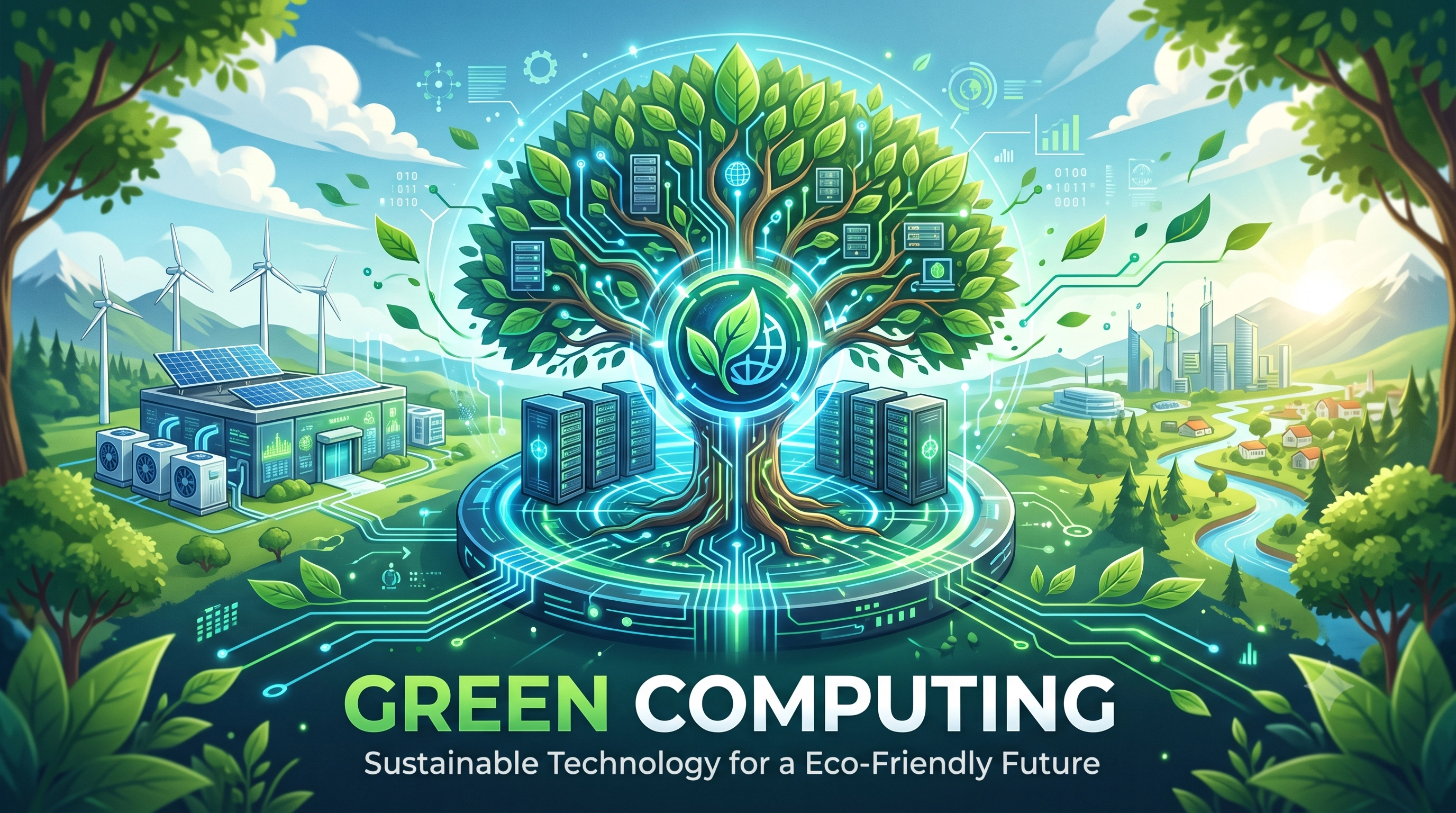
Green Computing: Powering a Sustainable Digital World
In an age where technology permeates nearly every aspect of our lives, it's easy to overlook its environmental impact. From the energy consumption of our devices and data centers to the mountains of electronic waste, the digital world leaves a significant ecological footprint. But what if technology itself could be part of the solution? This is the core idea behind Green Computing.
What is Green Computing?
Green Computing, also known as Green IT, refers to the environmentally responsible use of computers and related resources. Its primary goals are to:
- Minimize the energy consumption of computing devices.
- Reduce the use of hazardous materials.
- Promote the recyclability of electronic products.
- Maximize the energy efficiency of data centers and information systems.
It encompasses a broad range of practices, from designing energy-efficient hardware to implementing sustainable disposal methods for e-waste.
Pillars of Green Computing
Achieving a greener digital future involves several key areas:
1. Energy-Efficient Hardware and Infrastructure
- Processors and Devices: Manufacturers are constantly developing CPUs, GPUs, and other components that offer better performance per watt. Laptops and mobile devices are designed for extended battery life, minimizing frequent charging.
- Data Centers: These power-hungry facilities are being re-engineered for efficiency. This includes optimizing cooling systems, using renewable energy sources, and virtualizing servers to reduce the number of physical machines needed.
2. Sustainable Software Design and Cloud Computing
- Efficient Software: Developers can write code that is more efficient, requiring less processing power and memory, thus consuming less energy.
- Cloud Computing: By consolidating resources in large, optimized data centers, cloud providers can achieve economies of scale and higher utilization rates than individual companies or users might. This leads to reduced overall energy consumption.
- Virtualization: Running multiple virtual machines on a single physical server significantly reduces hardware requirements and power usage.
3. E-Waste Management and Circular Economy
- Recycling and Refurbishment: Proper disposal of electronics prevents toxic materials from leaching into the environment. Programs for recycling old devices or refurbishing them for reuse extend product lifespans.
- Sustainable Sourcing: Encouraging manufacturers to use recycled materials and ethically sourced components in new products.
4. User Practices and Awareness
- Power Management: Utilizing sleep modes, turning off devices when not in use, and adjusting screen brightness can collectively save significant energy.
- Conscious Consumption: Extending the lifespan of devices, repairing instead of replacing, and choosing products from environmentally conscious brands.
Why Green Computing Matters
The imperative for green computing is no longer just a "nice-to-have"; it's a critical component of our collective effort to combat climate change and ensure a sustainable future for generations to come.
Beyond the obvious environmental benefits, green computing offers:
- Cost Savings: Reduced energy consumption translates directly into lower utility bills for businesses and individuals.
- Enhanced Public Image: Companies adopting green IT practices often gain a positive reputation for corporate social responsibility.
- Regulatory Compliance: Increasingly, governments are implementing regulations regarding e-waste and energy efficiency, making green practices a necessity.
Challenges on the Path to Green IT
Despite its benefits, green computing faces hurdles:
- Initial Costs: Investing in new energy-efficient hardware or infrastructure can be expensive upfront.
- Complexity: Implementing green practices across large organizations can be complex, requiring significant planning and change management.
- Lack of Awareness: Many users and businesses are still unaware of the full impact of their digital footprint or the available solutions.
Key Takeaways
- Green Computing aims to minimize the environmental impact of technology through energy efficiency, waste reduction, and sustainable practices.
- It encompasses hardware, software, infrastructure, and user behavior.
- Adopting green IT practices not only benefits the planet but also offers cost savings and improves corporate responsibility.
- Overcoming challenges like initial costs and awareness is crucial for widespread adoption.
The journey towards a truly sustainable digital world is ongoing, but by embracing the principles of green computing, we can collectively build a future where technology empowers us without compromising our planet.
Be the first to leave a comment.
Leave a comment