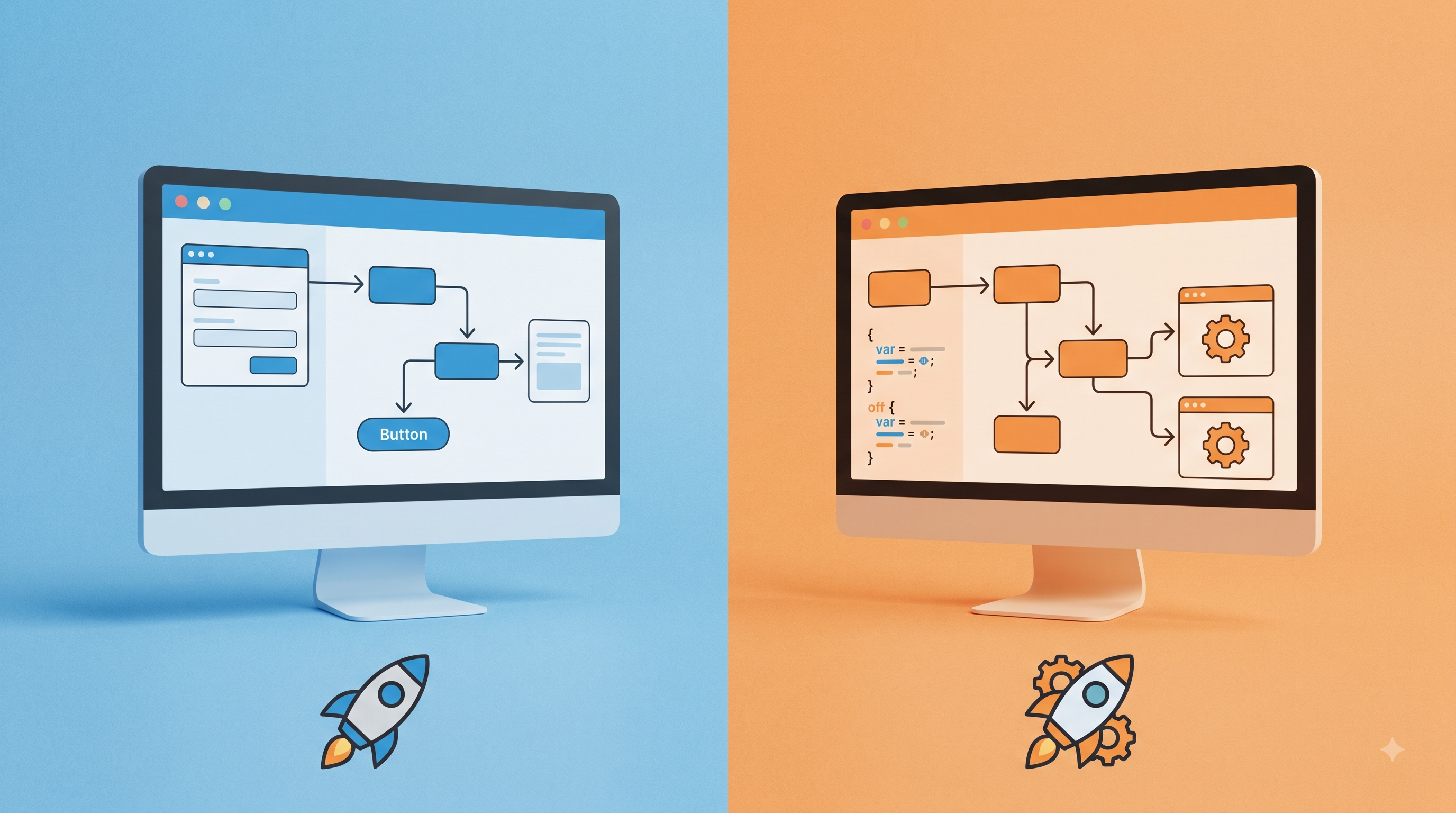
No-Code/Low-Code Platforms: Empowering Everyone to Build
In today's fast-paced digital world, the demand for custom software solutions is skyrocketing. However, the traditional process of software development can be slow, complex, and resource-intensive, often creating a bottleneck for innovation. Enter No-Code and Low-Code platforms – two transformative approaches that are democratizing application development and allowing more people than ever before to turn their ideas into reality.
What Are No-Code and Low-Code?
While often grouped, No-Code and Low-Code platforms serve slightly different audiences and use cases, though they share the common goal of simplifying software creation.
No-Code Platforms: Build Without Writing a Single Line
No-Code platforms are designed for users with little to no programming experience. They provide intuitive, visual drag-and-drop interfaces, pre-built templates, and ready-to-use components that allow anyone to assemble a functional application. Think of it like building with LEGO bricks: you snap pieces together without needing to understand how the plastic is molded or the physics of connection points. These platforms are ideal for:
- Business users and entrepreneurs creating simple websites, internal tools, mobile apps, or automated workflows.
- Rapid prototyping and validating business ideas.
- Individuals looking to automate repetitive tasks without involving IT departments.
Popular examples include Bubble for web applications, Webflow for responsive websites, and Zapier for workflow automation.
Low-Code Platforms: Accelerating Development with Minimal Coding
Low-Code platforms cater to a broader audience, including professional developers and "citizen developers" (business users with some technical aptitude). While they also feature visual interfaces and pre-built components, they offer the flexibility to add custom code when needed. This means you can achieve greater customization and integrate with existing complex systems. Low-Code platforms are best suited for:
- Accelerating professional development teams.
- Building more complex enterprise-level applications.
- Integrating with legacy systems or specialized databases.
- Scenarios where unique business logic requires some custom scripting.
Key players in the low-code space include Microsoft Power Apps, Mendix, and OutSystems.
The Benefits of No-Code/Low-Code
The rise of these platforms isn't just a trend; it's a strategic shift driven by several compelling advantages:
- Speed to Market: Develop and deploy applications in days or weeks, not months or years.
- Increased Accessibility: Empowers non-technical staff to build solutions, reducing reliance on overburdened IT teams.
- Reduced Costs: Lower development expenses due to faster cycles and less need for specialized coding skills.
- Greater Agility: Easily iterate and adapt applications to changing business needs.
- Innovation: Allows for rapid experimentation and validation of new ideas.
Challenges and Considerations
Despite their advantages, no-code/low-code platforms aren't a silver bullet. Potential drawbacks include:
- Vendor Lock-in: Applications built on one platform might be difficult to migrate to another.
- Limited Customization: No-code platforms, in particular, can hit a wall when highly specific or unique features are required.
- Scalability Concerns: Some platforms may struggle with extremely high traffic or complex data processing at scale.
- Security and Compliance: While platforms offer built-in security, ensuring compliance with specific industry regulations might require extra vigilance.
"No-code and low-code are not about replacing developers, but about empowering more people to create and freeing up developers to focus on more complex, high-value projects."
Who Can Benefit?
Virtually anyone with a problem to solve or an idea to build can benefit. This includes:
- Small Businesses & Startups: Quickly launch MVPs (Minimum Viable Products) and digital services.
- Enterprise Departments: HR, Marketing, Operations teams can build internal tools without waiting on central IT.
- Citizen Developers: Employees who understand business processes and can translate them directly into applications.
- Professional Developers: Expedite routine tasks, build prototypes, and focus on the most challenging parts of projects.
Key Takeaways
- No-code platforms are for non-developers, using visual tools for quick app creation.
- Low-code platforms are for both developers and citizen developers, offering visual tools plus the flexibility for custom code.
- Both approaches significantly reduce development time and cost, making software creation more accessible.
- Consider potential limitations like vendor lock-in and customization limits before choosing a platform.
- These platforms are transforming how businesses and individuals approach digital innovation.
As technology continues to evolve, no-code and low-code tools will likely become even more sophisticated, further blurring the lines between end-users and software creators. Are you ready to build?
Be the first to leave a comment.
Leave a comment