Digital Twins: Bridging the Physical and Digital Worlds
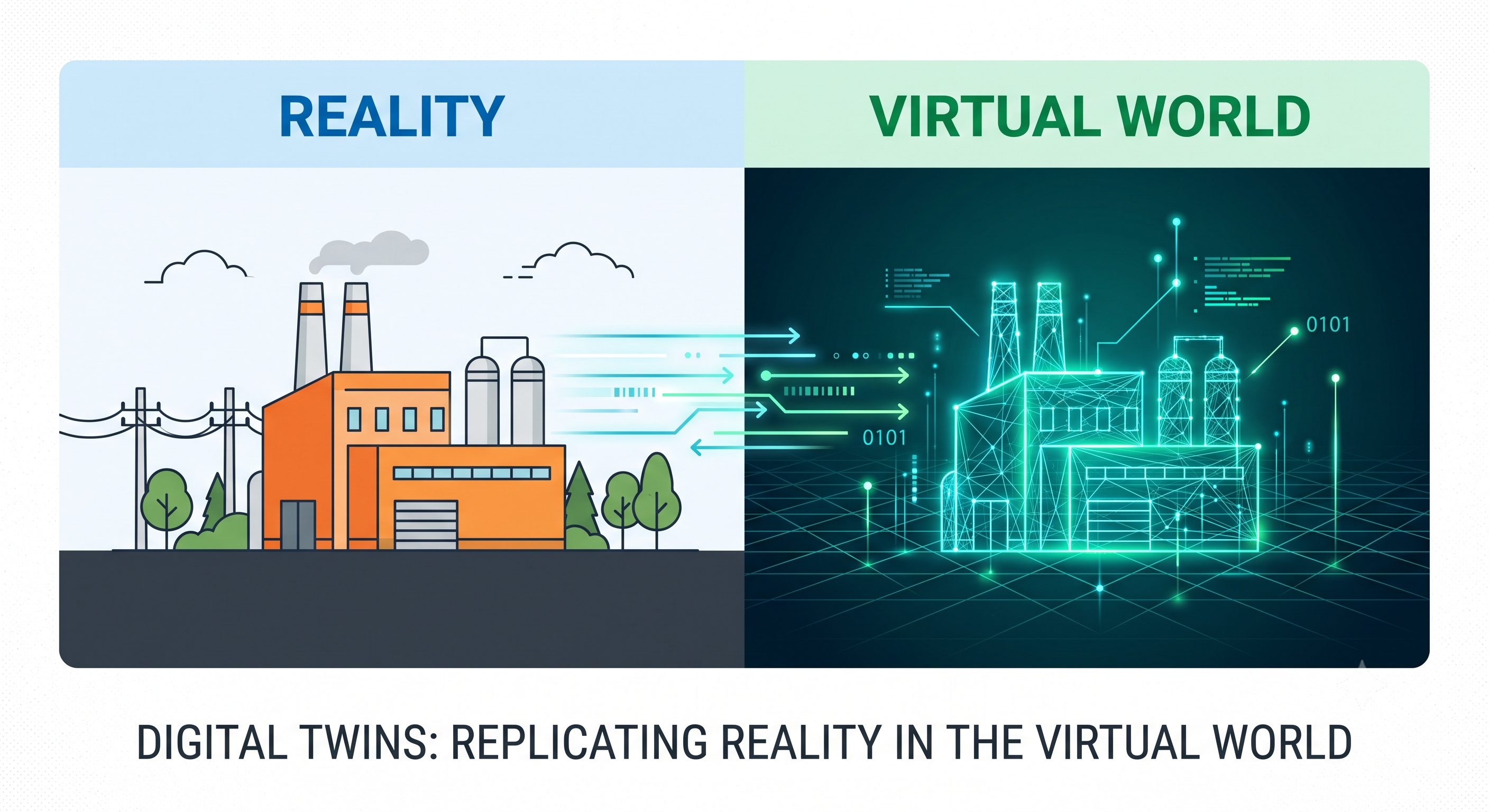
In an increasingly interconnected world, the lines between the physical and digital realms continue to blur. One technology at the forefront of this convergence is the Digital Twin. More than just a 3D model, a digital twin is a dynamic, virtual replica of a physical object, process, or system that serves as a living, breathing counterpart in the digital space. This isn't just a futuristic concept; it's a powerful tool already transforming how industries operate, innovate, and make decisions.
What Exactly Is a Digital Twin?
Imagine a sophisticated computer model of an airplane engine. Now, imagine that model is constantly updated with real-time data from sensors on the actual engine flying thousands of miles away. This live, two-way data flow allows the virtual model to mirror the physical engine's state, performance, and even its degradation over time. That, in essence, is a digital twin.
- Physical Asset: The real-world item (e.g., a wind turbine, a factory floor, a human heart).
- Digital Twin: The virtual representation, complete with all relevant data, models, and real-time updates.
- Connecting Technologies: IoT sensors, AI/machine learning algorithms, data analytics, and cloud computing are essential for maintaining the link and deriving insights.
How Digital Twins Work Their Magic
The core functionality of a digital twin relies on a continuous feedback loop:
- Data Collection: Sensors embedded in the physical asset collect vast amounts of data—temperature, pressure, vibration, location, operational status, etc.
- Data Transmission: This data is securely transmitted to the digital twin in the cloud or on-premise.
- Modeling & Simulation: The digital twin uses this real-time data to update its virtual model. Advanced algorithms and simulation tools analyze the data, predict future behavior, and identify potential issues.
- Insight & Action: The insights generated by the digital twin inform decision-making in the physical world. This could involve optimizing performance, scheduling predictive maintenance, or even designing improvements.
"A digital twin is a virtual representation of a physical object or system across its lifecycle, updated from real-time data, and uses simulation, machine learning, and reasoning to help decision-making." - Gartner
Transformative Applications Across Industries
The versatility of digital twins makes them invaluable across a multitude of sectors:
- Manufacturing: Optimizing factory layouts, predicting equipment failures, simulating production processes to identify bottlenecks.
- Aerospace & Automotive: Monitoring aircraft engines in real-time, predicting part wear, designing more efficient vehicles through virtual testing.
- Healthcare: Creating "digital patient" models to simulate drug responses, plan complex surgeries, or personalize treatment plans.
- Smart Cities: Modeling urban infrastructure to optimize traffic flow, manage energy consumption, and plan for disaster response.
- Energy: Enhancing the efficiency of wind farms and power grids, predicting maintenance needs for critical infrastructure.
The Tangible Benefits
Implementing digital twins offers significant advantages:
- Enhanced Efficiency & Optimization: Identify inefficiencies and optimize operations in real-time, leading to cost savings.
- Predictive Maintenance: Anticipate equipment failures before they occur, reducing downtime and costly repairs.
- Reduced Risk & Improved Safety: Test changes and scenarios in a virtual environment without impacting the physical asset.
- Accelerated Innovation: Rapidly prototype and test new designs or features virtually.
- Better Decision-Making: Gain deep insights into performance and potential issues, enabling data-driven decisions.
Key Takeaways
- Digital Twins are dynamic, real-time virtual replicas of physical assets, processes, or systems.
- They leverage IoT data, AI, and simulation to mirror physical behavior and predict future states.
- Applications span manufacturing, healthcare, smart cities, and more, driving efficiency and innovation.
- Benefits include predictive maintenance, optimized operations, and enhanced decision-making.
As technology continues to advance, digital twins are set to become an even more integral part of our operational landscape, promising a future where physical and digital realms collaborate seamlessly to create smarter, more resilient systems.
Be the first to leave a comment.
Leave a comment